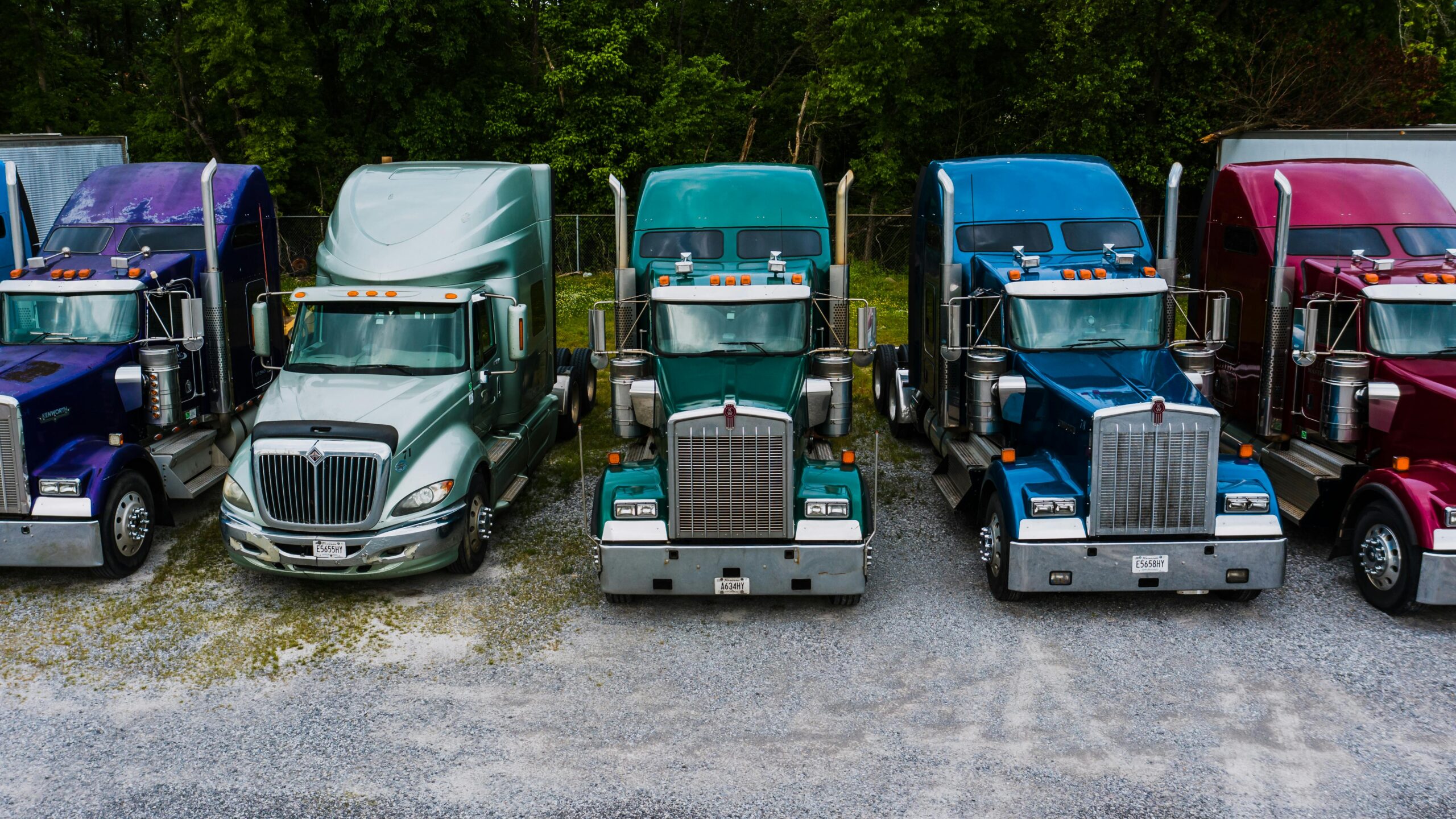

Every shipment that leaves a port or warehouse faces the same basic question: what is the most efficient way to get it where it needs to go? For freight moving across the Northeast, the two primary options are over-the-road (OTR) trucking and intermodal rail. Each has its strengths, and the right choice depends on distance, timeline, cost sensitivity, and the nature of the cargo itself.
If you have been defaulting to one mode without regularly evaluating the other, you may be leaving money on the table or accepting slower transit times than necessary. Here is a practical comparison to help you make better routing decisions.
What Intermodal Rail Actually Looks Like
Intermodal transport combines rail and truck. A container is picked up from the port or origin facility by truck, driven to a rail yard, loaded onto a train for the long-haul portion of the trip, and then picked up by truck again at the destination rail yard for final delivery. In New Jersey, major rail yards like CSX, Croxton, and Millenium Rails serve as key transfer points for containers moving in and out of the region.
The rail portion is where the cost savings come in. Trains can move a ton of freight roughly three to four times farther on a gallon of fuel than a truck can, which translates to lower per-mile costs on longer hauls. For shipments traveling 500 miles or more, intermodal rail is often the most economical choice.
Where OTR Trucking Wins
Trucking is faster and more flexible for shorter distances and time-sensitive freight. When a container needs to go from Port Newark to a warehouse in central New Jersey or a production facility in eastern Pennsylvania, putting it on a truck and driving it there is almost always the better option. There is no rail transfer to coordinate, no terminal dwell time, and no dependency on train schedules.
OTR trucking also shines for just-in-time deliveries. If your production line depends on receiving materials at a specific hour, a dedicated truck with a driver in direct communication with dispatch gives you far more control than a rail schedule can. For urgent or last-mile freight, nothing beats the door-to-door flexibility of a truck.
The Cost Equation
Cost is usually the first factor shippers consider, and the math is fairly straightforward. For moves under 300 miles, trucking is typically cheaper because intermodal adds handling costs at both ends (the drayage moves to and from the rail yard). Between 300 and 500 miles, the two options start to converge, and the right choice depends on volume, frequency, and how time-sensitive the freight is. Beyond 500 miles, intermodal rail almost always wins on price.
Keep in mind that cost comparisons should include more than just the line-haul rate. Factor in drayage charges at both ends, potential detention or demurrage fees, and the cost of carrying extra inventory if rail transit times require you to order earlier. A move that looks cheaper on paper can get expensive quickly if it introduces variability into your supply chain.
When to Use Each Mode
Choose intermodal rail when distance favors it (roughly 500 miles or more), when transit time flexibility exists (you can absorb an extra day or two), and when cost efficiency is a priority. Intermodal also makes sense for high-volume, recurring lanes where you can build rail into your planning cycle.
Choose OTR trucking when speed matters most, when the distance is short, when the delivery window is tight, or when the freight requires special handling that benefits from a single driver and a single truck from origin to destination. Overweight loads, for example, are almost always better suited to OTR because rail has its own weight restrictions and handling requirements.
Combining Both for the Best Result
The smartest shippers do not pick one mode and stick with it for everything. They evaluate each lane and each shipment on its own merits. A company shipping containers from the Port of New York to Ohio might use intermodal rail for its regular weekly volume and reserve OTR trucking for rush orders or overweight loads.
Working with a carrier that operates both drayage trucks and intermodal rail connections makes this kind of flexibility practical. Instead of coordinating between separate trucking and rail providers, you have a single partner managing the full move; whether that means a straight truck haul or a truck-rail-truck combination. One dispatch team, one point of accountability, and a routing recommendation based on what actually makes sense for each shipment.
The bottom line: know your options, run the numbers, and choose the mode that fits the shipment rather than the one that is simply most familiar.